Turlock’s hot, dry summers can put considerable stress on lawns, gardens, and landscaped properties. Without consistent watering, grass may become dry, garden plants can struggle, and outdoor spaces may lose their healthy appearance. However, running an irrigation system without checking its performance can waste water through leaks, clogged sprinkler heads, and inefficient watering schedules. Regular Irrigation Maintenance helps property owners keep their systems working properly while providing landscapes with the water they need.
An efficient irrigation system should distribute water evenly, operate at suitable pressure, and follow a schedule that matches the landscape’s requirements. Whether a property uses traditional sprinklers or drip irrigation, routine inspections and timely adjustments can improve performance and reduce unnecessary water use. WolfPack EarthCare & Irrigation Inc. provides irrigation installation and maintenance solutions, helping homeowners create and maintain efficient watering systems suited to their outdoor spaces.
Why Regular Irrigation Maintenance Matters
An irrigation system contains several components that must work together to deliver water effectively. Sprinkler heads, valves, controllers, and pipes all influence how much water reaches different parts of a landscape. When one component stops functioning correctly, the entire system may become less efficient.
For example, a damaged sprinkler head can create dry patches in one section of a lawn while oversaturating another. A leaking pipe may waste water underground without producing an obvious surface warning. A controller with an outdated schedule may continue watering during cooler or wetter conditions when less irrigation is needed.
Routine maintenance helps identify these issues before they become more expensive problems. It also supports healthier plant growth by maintaining consistent water distribution throughout the property.
Essential Irrigation Maintenance Tasks for Turlock Properties
A well-maintained irrigation system requires attention to several important components. The following tasks help homeowners recognize common problems and keep their watering systems operating efficiently.
1. Inspect Sprinkler Heads Regularly
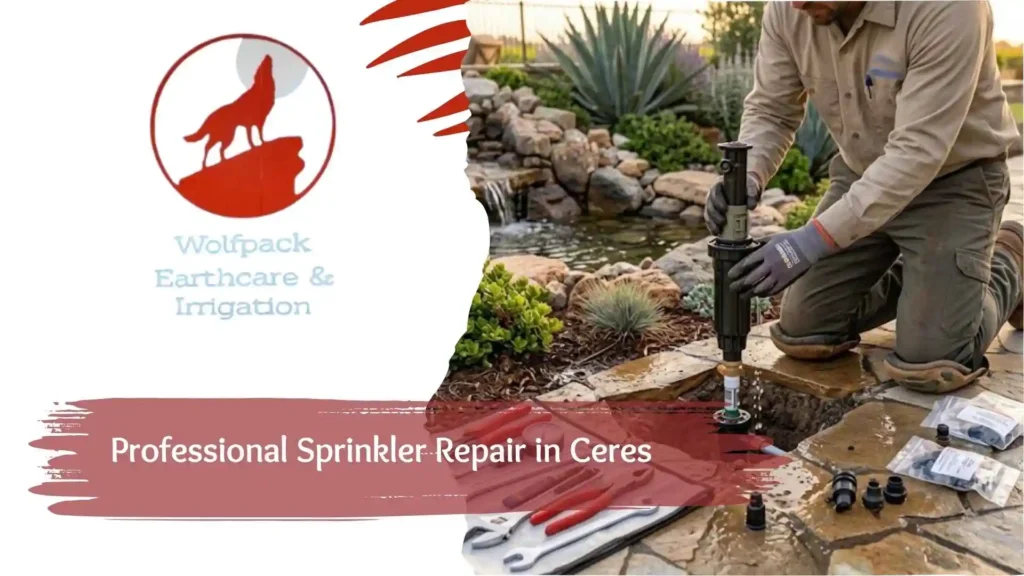
Sprinkler heads are exposed to lawn equipment, foot traffic, soil movement, and everyday outdoor conditions. Over time, they may become clogged, tilted, damaged, or blocked by growing plants.
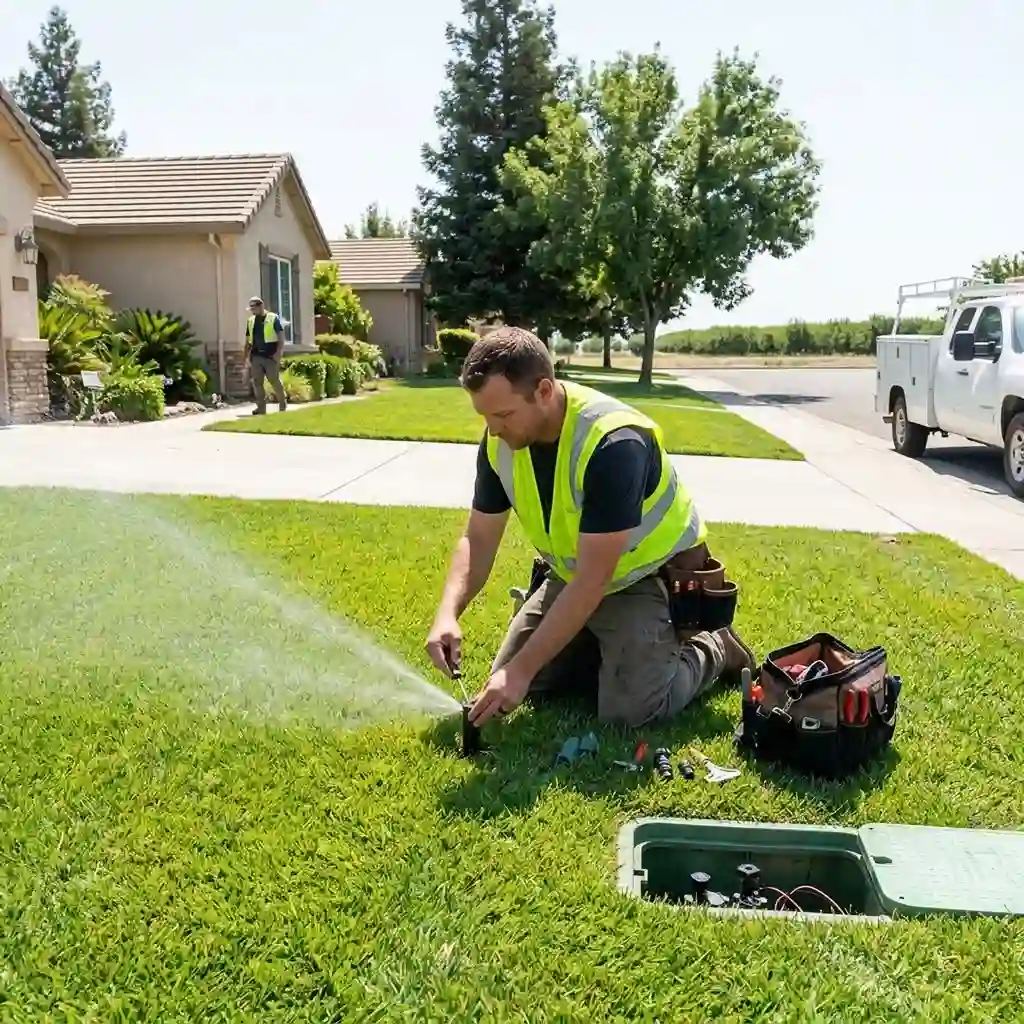
During an inspection, check whether each sprinkler head rises correctly, rotates as intended, and distributes water across its designated area. Look for water spraying onto sidewalks, driveways, fences, or buildings instead of the landscape.
Cleaning clogged heads and correcting their positioning can improve coverage. Damaged components should be replaced with compatible parts to maintain consistent performance.
2. Check Pipes and Connections for Leaks
Underground irrigation pipes can develop leaks because of shifting soil, root growth, pressure changes, or physical damage. Even a small leak can waste water over time and create wet areas that may damage nearby landscaping.
Watch for unusually soggy soil, unexplained puddles, reduced sprinkler pressure, or sections of the landscape that receive less water than usual. These signs may indicate a leak or another problem within the system.
A professional inspection can help locate hidden issues and determine whether a pipe, fitting, valve, or other component needs repair.
3. Maintain Valves and Water Pressure
Valves control water movement through different irrigation zones. If a valve becomes stuck, damaged, or blocked, an entire section of the landscape may receive too much or too little water.
Water pressure also plays an important role. Excessive pressure can cause misting and uneven distribution, while insufficient pressure may prevent sprinkler heads from covering their intended areas.
Checking valves and adjusting pressure when necessary helps maintain reliable operation. WolfPack EarthCare & Irrigation Inc. includes pressure checks and system calibration in its irrigation installation process, supporting proper performance from the beginning.
4. Adjust Irrigation Controllers and Watering Schedules
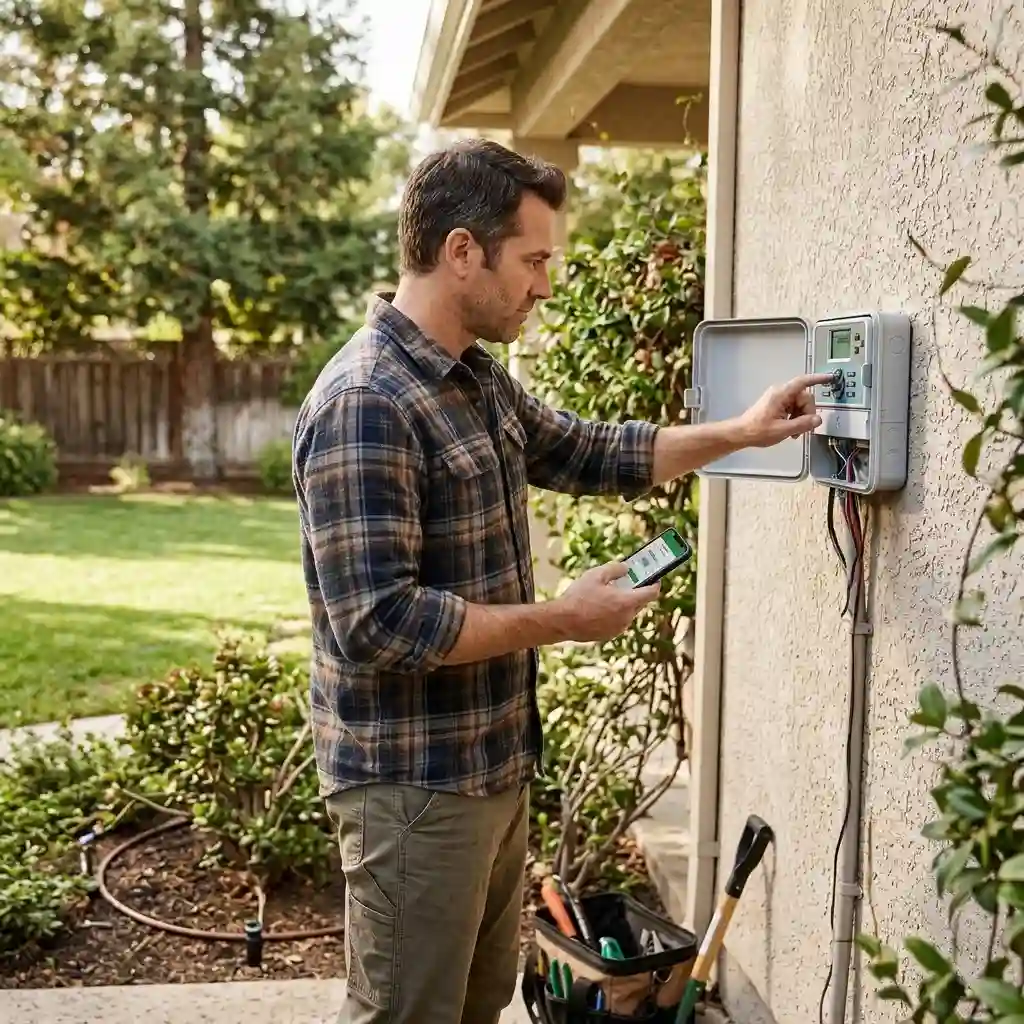
A controller determines when irrigation zones operate and how long they run. Leaving the same watering schedule throughout the year may result in unnecessary water use because weather conditions and plant requirements change.
Review the controller settings regularly and adjust watering times according to seasonal conditions. Watering early in the morning can help reduce evaporation compared with watering during the hottest part of the day.
Smart controllers offer additional convenience by adjusting schedules based on weather information. WolfPack EarthCare & Irrigation Inc. incorporates water-efficient technology, including smart controllers, into its irrigation solutions to help properties use water more effectively.
5. Inspect Drip Irrigation Lines
Drip irrigation is commonly used for garden beds, shrubs, and plants that benefit from water delivered near their roots. Although these systems can reduce unnecessary spraying, their tubing and emitters still require regular attention.
Check for cracked tubing, disconnected fittings, clogged emitters, and areas where water is not reaching the plants. Soil buildup and mineral deposits can restrict water flow over time.
Cleaning or replacing affected components helps maintain consistent moisture around plant roots. It is also important to check whether growing plants or landscaping changes have shifted the position of drip lines.
6. Check Water Coverage Across the Landscape
Different parts of a property may have different watering requirements. A lawn, flower bed, shrub border, and vegetable garden should not automatically receive identical irrigation.
Run the system and observe how water is distributed across each zone. Look for dry patches, oversaturated soil, blocked spray patterns, and water reaching paved surfaces.
Adjusting sprinkler positions, changing nozzles, or dividing areas into more suitable watering zones can improve coverage. A properly designed system should account for property layout, soil type, plant requirements, and water flow patterns.
Common Signs Your Irrigation System Needs Attention
Recognizing early warning signs can help prevent water waste and protect your landscape. Some common indicators include:
- Uneven lawn growth: Certain areas look dry or stressed while others remain overly wet.
- Low water pressure: Sprinklers do not spray as far as they normally do.
- Standing water: Puddles appear around sprinkler heads or garden beds.
- Unusual increases in water use: Consumption rises without an obvious change in watering needs.
- Visible leaks: Water escapes from damaged pipes, fittings, or sprinkler connections.
- Blocked sprinkler patterns: Grass, shrubs, or debris interfere with water distribution.
- Controller problems: Zones run at incorrect times or fail to activate.
These symptoms may have different causes, so identifying the source is important before replacing parts or changing system settings.
How Professional Irrigation Maintenance Improves Water Efficiency
Although homeowners can perform basic visual inspections, irrigation systems sometimes require more detailed evaluation. Incorrect pressure, poorly positioned sprinkler heads, damaged valves, and unsuitable watering schedules can be difficult to identify without understanding how the system is designed.
Professional irrigation services begin by evaluating the property’s layout, soil conditions, plant requirements, and water flow patterns. These factors help determine whether the existing system is delivering adequate coverage or needs adjustments.
WolfPack EarthCare & Irrigation Inc. specializes in customized irrigation solutions, including sprinkler systems for lawns and drip irrigation for garden beds. Its installation process includes selecting durable components such as sprinkler heads, valves, controllers, and pipes, followed by system testing and calibration. The company also offers irrigation maintenance, helping property owners keep their outdoor watering systems operating efficiently.
When an older system repeatedly develops problems, maintenance may not be enough. Replacing outdated components or upgrading the system with more efficient equipment can provide a better long-term solution.
Seasonal Irrigation Maintenance Tips for Turlock
Turlock’s changing weather conditions make seasonal system adjustments important. During warmer months, lawns and plants may need more frequent watering, while cooler periods generally require less.
Before the hotter part of the year, inspect sprinkler heads, check for leaks, test each irrigation zone, and confirm that the controller settings match current landscape needs. During the growing season, monitor plant health and adjust watering when conditions change.
After landscaping improvements, such as adding new plants or changing garden beds, review the irrigation layout. New plants may have different water requirements, and existing sprinkler coverage may no longer be suitable.
It is also useful to inspect the system after periods of heavy rain, soil movement, or outdoor construction. These conditions can affect pipes, fittings, and sprinkler positioning.
Keep Your Turlock Landscape Healthy With Reliable Irrigation
An efficient watering system does more than keep grass green. It helps protect plants, reduce unnecessary water consumption, and maintain a healthier outdoor environment. Regular Irrigation Maintenance makes it easier to identify leaks, correct uneven coverage, maintain sprinkler components, and adjust watering schedules as landscape needs change.
WolfPack EarthCare & Irrigation Inc. provides customized irrigation installation and maintenance solutions for homeowners in Turlock and surrounding communities. From sprinkler systems and drip irrigation to durable controllers, valves, and water-efficient technology, the team focuses on creating reliable systems suited to each property’s landscape.
If your irrigation system has uneven coverage, leaking components, or outdated watering controls, contact WolfPack EarthCare & Irrigation Inc. at 209-505-8863 to discuss your irrigation needs and schedule professional service.