A lush, green lawn instantly boosts curb appeal and creates a welcoming outdoor space for families and businesses alike. But achieving a healthy lawn doesn’t just depend on quality sod; it also depends on timing. Choosing the best time to install new sod in Stanislaus County & beyond can make the difference between a thriving lawn and one that struggles to establish.
Homeowners across Modesto, Turlock, and Oakdale often ask when sod should be installed for optimal results. The answer depends on climate, grass type, and proper preparation. This guide explains the best seasons for sod installation, what to expect, and how professional services help ensure success.
Why Timing Matters for Sod Installation
Sod is essentially mature grass with an established root system. Once laid, it must quickly bond with the soil beneath. Proper timing ensures:
- Faster root establishment
- Reduced watering requirements
- Lower stress on the grass
- Better resistance to disease and weeds
Installing sod during the wrong season can lead to patchy growth, higher maintenance costs, and wasted investment.
Understanding the Climate in Stanislaus County
Stanislaus County experiences hot, dry summers and mild winters, typical of California’s Central Valley. These conditions favor warm-season grasses such as Bermuda, Zoysia, and St. Augustine, while cool-season varieties like tall fescue can also perform well with proper care.
Knowing how these grasses respond to temperature changes helps determine the ideal installation window.
Spring: One of the Best Times to Install Sod
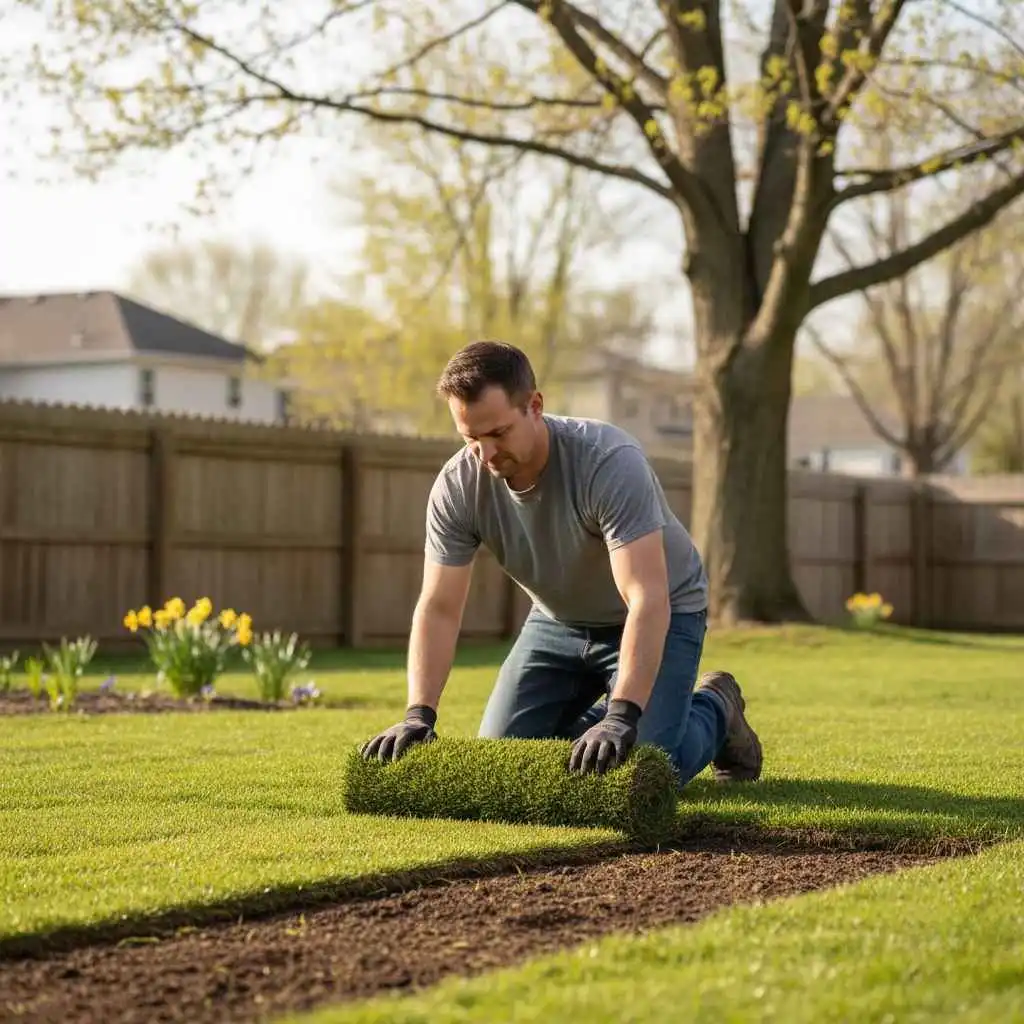
Spring is widely considered one of the best seasons for sod installation.
Benefits of Spring Installation
- Moderate temperatures reduce stress on new grass
- Increased daylight promotes growth
- Soil is warming, encouraging root development
Spring-installed sod establishes quickly and prepares your lawn for summer use.
Fall: Another Ideal Window for Sod Installation
Fall is equally favorable for sod installation in Stanislaus County.
Why Fall Works Well
- Cooler temperatures reduce evaporation
- Soil remains warm from summer heat
- Fewer weeds compete with the new grass
Fall-installed sod develops strong roots before winter dormancy and emerges healthy in spring.
Summer: Possible but Requires Extra Care
While summer installation is possible, it demands careful attention.
Challenges
- High temperatures increase water needs
- Greater risk of heat stress
- Faster drying of soil
Professional installers often recommend early morning or late afternoon installation and strict watering schedules during summer.
Winter: Limited but Sometimes Viable
Winters in the Central Valley are mild compared to many regions. In some cases, sod can be installed if temperatures remain above freezing.
Considerations
- Growth is slower
- Root establishment takes longer
- Best suited for cool-season grasses
Winter installations are typically planned on a case-by-case basis.
Choosing the Right Grass for Your Property
Selecting the right grass type is just as important as timing.
Warm-Season Grasses
- Bermuda
- Zoysia
- St. Augustine
Best installed in spring through early summer.
Cool-Season Grasses
- Tall fescue
- Ryegrass
Often installed in fall or early spring.
Professional sod installers help homeowners choose the best variety based on sun exposure, foot traffic, and water availability.

Preparing Your Yard for Sod Installation
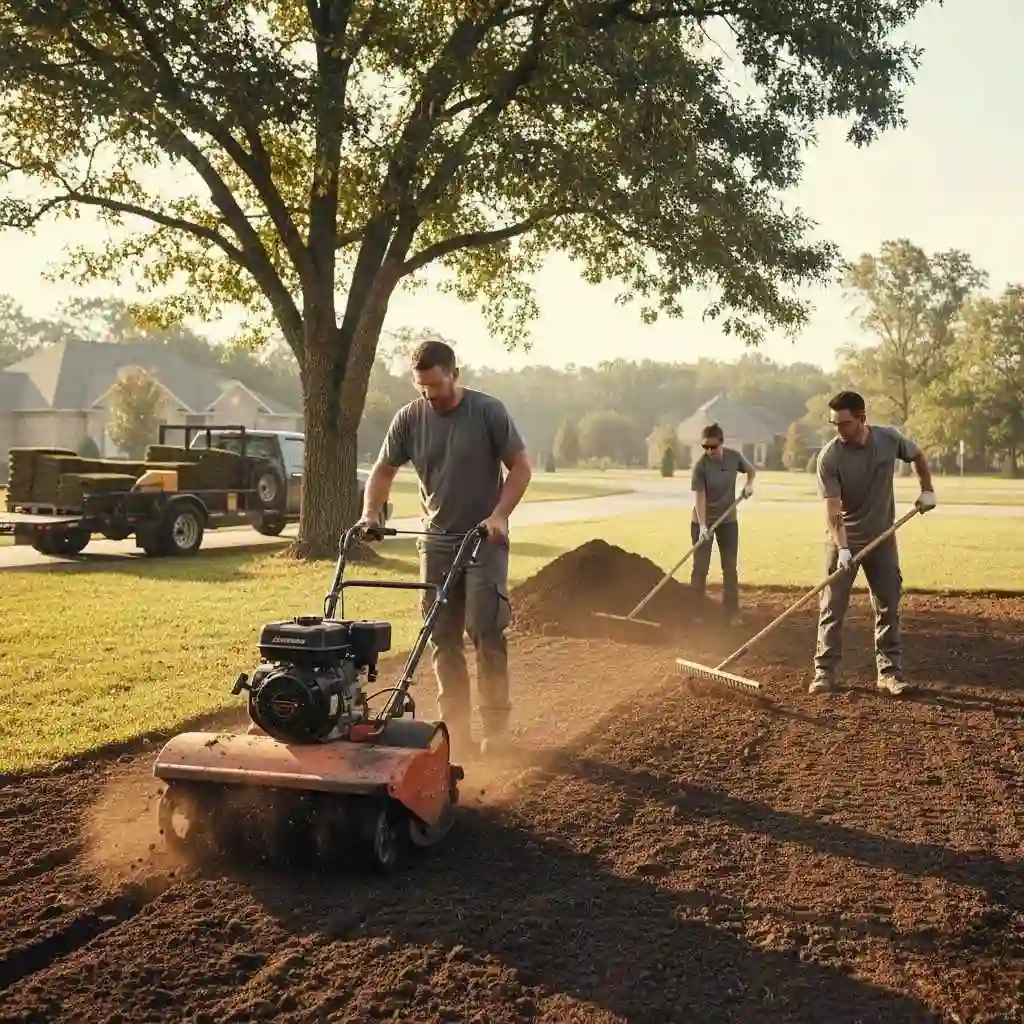
Proper preparation sets the foundation for success.
Steps Include
- Removing old grass and weeds
- Grading and leveling soil
- Adding nutrient-rich topsoil
- Ensuring proper drainage
Skipping preparation can cause uneven growth and poor rooting.
Professional vs. DIY Sod Installation
Many homeowners consider installing sod themselves, but professional services offer key advantages.
Professional Installation Benefits
- Correct soil preparation
- Proper sod placement and seam alignment
- Expert watering and aftercare guidance
- Faster completion
DIY mistakes often result in wasted sod and uneven lawns.
How Long Does Sod Take to Establish?
- Initial rooting: 10–14 days
- Light use: 3–4 weeks
- Full establishment: 6–8 weeks
Following watering and mowing guidelines ensures strong roots.
Watering After Installation
Proper watering is critical during the first few weeks.
General Guidelines
- Water immediately after installation
- Keep the sod consistently moist
- Gradually reduce frequency as roots establish
Overwatering or underwatering can both harm new sod.
Signs Your Sod Is Establishing Properly
- Grass remains green
- Roots resist gentle lifting
- New growth appears
If sod lifts easily or turns yellow, adjustments may be needed.
Benefits of Installing Sod at the Right Time
- Faster lawn establishment
- Lower water usage
- Healthier root systems
- Longer-lasting results
- Better return on investment
Extending Benefits Beyond Stanislaus County
Surrounding Central Valley communities share similar climate conditions, making these timing recommendations effective “beyond” Stanislaus County as well.
Final Thoughts
The best time to install new sod in Stanislaus County & beyond is typically spring or fall, when temperatures and soil conditions support rapid root growth. With proper timing, preparation, and professional installation, homeowners can enjoy a thick, vibrant lawn that enhances both beauty and value.
Call to Action
Ready for a greener lawn? Call today, book your service, or request a quote for professional sod installation in Stanislaus County & surrounding areas. Let experienced installers help you achieve a healthy, long-lasting lawn.