A healthy green lawn can improve the appearance and usability of a Modesto home, but installing fresh grass in California’s Central Valley requires careful planning. Hot summers, intense sunlight, and irrigation needs can make Laying Sod more challenging when the soil is not prepared properly or the new grass does not receive enough water to establish its roots.
Successful sod installation begins before the grass arrives. Homeowners need to consider soil conditions, lawn drainage, grass selection, installation timing, and the irrigation system. Skipping these steps can lead to dry patches, uneven growth, and visible seams between sod pieces.
WolfPack EarthCare & Irrigation Inc. provides professional sod installation in Modesto and surrounding communities. Its landscaping and irrigation services can help homeowners prepare their yards, install fresh sod, and create a lawn suited to their property’s conditions.
Whether you are replacing a damaged lawn or landscaping a newly developed yard, professional planning can help your investment get off to a stronger start.
1. Prepare the Soil Before Laying Sod
Soil preparation is one of the most important parts of installing a new lawn. Even fresh, healthy sod can struggle if its roots cannot make good contact with the soil beneath it.
Before installation, the area should be cleared of existing weeds, unwanted grass, rocks, and construction debris. Compacted soil may need to be loosened so that roots can establish more easily. The surface should then be graded to create an even lawn while directing water away from the home’s foundation.
Modesto properties can have different soil and drainage conditions, so preparation should be based on the actual site rather than a one-size-fits-all approach.
Professional preparation may include:
- Removing old turf and unwanted vegetation.
- Breaking up compacted soil where appropriate.
- Assessing soil condition and drainage.
- Incorporating suitable soil amendments when needed.
- Establishing a smooth, properly graded surface.
- Checking that irrigation can cover the lawn evenly.
Adding compost or other amendments may help certain soils, but the right material and quantity depend on the soil’s condition. A professional assessment can help prevent unnecessary amendments and uneven grading.
Once the soil is ready, the sod can be installed on a consistent surface with good contact between the roots and the prepared ground.
2. Select Grass That Suits Modesto’s Climate
Not every grass variety performs equally well in the same conditions. Modesto’s hot, dry summers make grass selection especially important when planning a new lawn.
The best choice depends on sunlight, expected foot traffic, maintenance preferences, and the amount of water available for irrigation.
Bermuda Grass
Bermuda grass is commonly considered for warm, sunny lawns because it tolerates heat and can recover from regular use when properly maintained. It generally performs best with substantial sunlight, so it may not be ideal for heavily shaded areas.
Zoysia Grass
Some zoysia varieties can provide a dense lawn with good heat tolerance and moderate maintenance needs once established. Growth rate, shade tolerance, and water requirements vary by variety, so confirm the characteristics of the specific sod being considered.
Match the Grass to Your Property
A lawn with full afternoon sun may need a different grass variety from a yard shaded by mature trees. Consider how your household will use the space, too. A lawn for children and pets may have different requirements from a mostly decorative front yard.
WolfPack EarthCare’s sod installation guidance highlights choosing grass suited to hot climates and preparing the soil correctly. Selecting the right sod for the property’s conditions helps establish realistic expectations for maintenance and watering.
3. Choose the Right Time for Installation
Timing can influence how well new sod handles the first days after installation. During hot weather, exposed sod can lose moisture quickly, making prompt installation and watering particularly important.
For Modesto homeowners, spring and early fall can offer more moderate conditions than the hottest part of summer. However, the best timing depends on the grass variety, current weather, soil temperature, and irrigation access.
If sod must be installed during warmer weather, the installation team should plan for heat exposure and ensure that watering can begin immediately.
A few important considerations include:
- Avoid leaving delivered sod sitting for extended periods.
- Arrange installation so the grass can be placed promptly.
- Avoid unnecessary delays between preparing the soil and installing the sod.
- Make sure the irrigation system is ready before installation begins.
- Plan follow-up watering before the crew finishes the project.
Fresh sod is a living product. Good scheduling helps prevent it from drying out before its roots have an opportunity to establish.
4. Lay Sod Correctly for a Smooth, Even Lawn
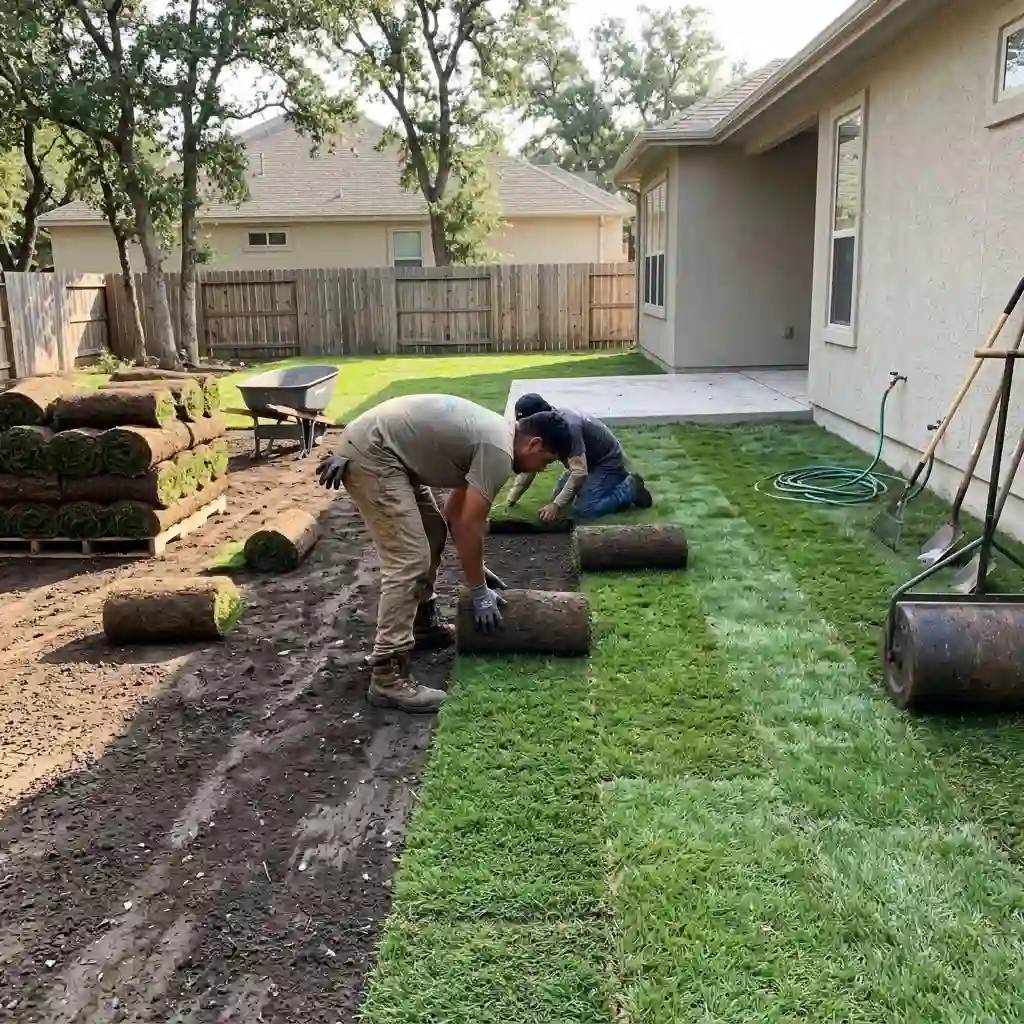
Proper placement helps create a lawn that looks consistent and allows the roots to contact the soil beneath them.
Installation generally begins along a straight edge, such as a walkway or driveway. Sod pieces are placed closely together in a staggered pattern, similar to brickwork. This reduces the appearance of long continuous seams and helps create a more stable surface.
The installer should avoid stretching the sod, leaving gaps between pieces, or overlapping edges. These mistakes can produce uneven areas and leave exposed soil where the grass may struggle.
Professional sod placement involves several details:
Keep Seams Tight
Adjacent pieces should fit closely without overlapping. Large gaps can dry out and create visible lines in the finished lawn.
Maintain a Level Surface
Sod should follow the prepared grade without creating raised edges or depressions. Uneven areas can affect both appearance and mowing.
Ensure Root-to-Soil Contact
The sod must sit firmly against the prepared ground. Rolling may be appropriate after installation, depending on the soil and site conditions, but excessive pressure can compact the soil.
Trim Edges Carefully
Sod should be fitted around paths, planting beds, and other landscape features without leaving unnecessary exposed soil.
These details can make the difference between a lawn that looks patchy and one that establishes evenly.
5. Set Up Irrigation Before the Sod Arrives
Water management is critical after Laying Sod in Modesto. Fresh sod needs consistent moisture while its roots establish, but excessive watering can also cause problems if the soil stays saturated or drainage is poor.
Before installation, check that sprinklers or other irrigation equipment can cover the entire lawn. Dry corners, blocked sprinkler heads, and uneven water distribution can leave parts of the new grass struggling while other areas receive too much water.
WolfPack EarthCare provides irrigation installation services, including customized sprinkler and drip systems. For a lawn, the irrigation design should account for the yard’s shape, water pressure, sprinkler coverage, and any areas that receive different amounts of sunlight.
After sod installation, watering should begin promptly. The initial watering needs to moisten the sod and the soil underneath it. During the establishment period, the goal is to keep the root zone from drying out while avoiding persistent waterlogging.
The exact schedule depends on temperature, wind, soil type, drainage, and grass variety. Follow the installer’s guidance and adjust watering according to actual conditions rather than relying on a fixed schedule for every yard.
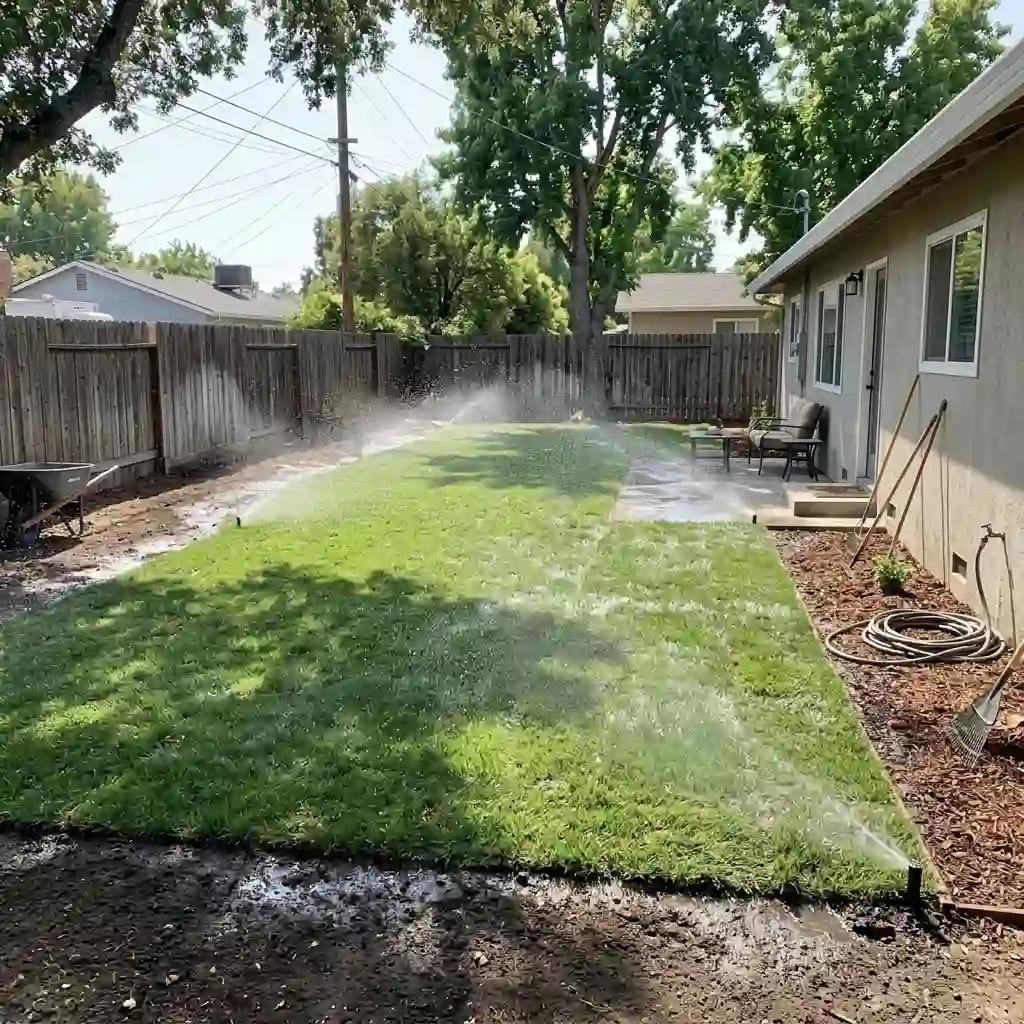
6. Care for the Lawn During the Establishment Period
A newly installed lawn needs attention while the roots begin growing into the soil. The first few weeks are especially important because the grass may not yet be firmly established.
Avoid treating fresh sod like a mature lawn. Heavy foot traffic, missed watering, or mowing too early can interfere with establishment.
Monitor Moisture
Check the sod and underlying soil regularly. The surface should not be allowed to dry out excessively, but constant saturation is not the goal. Adjust watering based on weather and site conditions.
Limit Foot Traffic
Keep people, pets, and equipment off the new lawn as much as possible until the sod has rooted sufficiently. Walking over sod that has not established can shift pieces and disturb the root-to-soil contact.
Check for Root Establishment
The lawn should gradually become more firmly attached to the soil. If sections lift easily, show persistent discoloration, or appear to be drying out, investigate the cause rather than assuming the entire lawn needs more water.
Mow at the Appropriate Time
Wait until the grass has rooted and reached a suitable mowing height for its variety. Use a sharp mower blade and avoid removing too much leaf growth at once.
If problems appear during establishment, early assessment can help identify whether the issue involves irrigation, soil contact, drainage, or another factor.
7. Avoid Common Sod Installation Mistakes
Even quality sod can fail to perform as expected when installation or early care is inadequate. Understanding common mistakes helps homeowners recognize why professional preparation and follow-up matter.
Poor soil preparation: Installing sod over compacted, uneven, or debris-filled ground can prevent good root contact and create an irregular lawn.
Delayed installation: Leaving sod exposed for too long after delivery can cause it to dry out, especially during warm weather.
Incorrect watering: Too little water can dry the roots, while excessive watering may create saturated soil and drainage problems.
Choosing unsuitable grass: A variety that needs full sun may struggle in a shaded yard. Grass selection should reflect actual growing conditions.
Ignoring drainage: Low spots and poorly directed runoff can leave parts of the lawn waterlogged, even if the rest of the yard drains normally.
Mowing too soon: Cutting grass before it has rooted can shift the sod and damage the establishment process.
Professional installation helps address these factors as part of one coordinated project rather than treating each problem separately.
Job Story: Replacing a Patchy Lawn in Modesto
Imagine a Modesto homeowner whose front lawn has become uneven and patchy after repeated dry periods. Some sections have thin grass, while others struggle because the irrigation system does not distribute water evenly.
Simply placing new sod over the existing surface may not solve the underlying problems. The soil may need preparation, the grade may need adjustment, and the sprinkler system may require attention.
A professional lawn replacement project could begin with removing the damaged turf and assessing the soil and drainage. After preparing the surface, the installer could place suitable sod and check that irrigation reaches the entire lawn.
The homeowner would then follow a watering and establishment plan suited to the selected grass and local conditions.
This example illustrates why successful Laying Sod involves more than the grass itself. Soil preparation, placement, irrigation, and aftercare all contribute to the final result.
Professional Advantage: Choose WolfPack EarthCare for Sod Installation
A new lawn is a coordinated landscaping project. The sod variety, ground preparation, grading, irrigation coverage, and installation timing all affect how well the grass establishes.
WolfPack EarthCare & Irrigation Inc. provides sod installation and broader landscaping services for homes and businesses in Modesto and surrounding communities throughout Stanislaus and San Joaquin Counties.
The company also offers irrigation installation, drainage solutions, hardscaping, and other outdoor services. Coordinating these elements can help homeowners address the condition of the yard before and during lawn installation.
Rather than guessing which grass or watering setup will suit your property, arrange a professional assessment to discuss your yard’s sunlight, soil, drainage, and intended use.
Frequently Asked Questions
What is the best time for laying sod in Modesto?
Spring and early fall can provide more moderate conditions than peak summer heat. The best timing depends on the grass variety, weather, and whether adequate irrigation is available.
How should soil be prepared before sod installation?
Remove weeds, old turf, rocks, and debris. Assess compaction and drainage, loosen soil where needed, and establish a smooth grade before placing the sod.
How often should new sod be watered?
Watering frequency depends on weather, soil, grass type, and drainage. Begin watering promptly after installation and keep the root zone appropriately moist during establishment without leaving the soil saturated.
Which grass is suitable for Modesto’s hot summers?
Warm-season grasses such as Bermuda and certain zoysia varieties may suit sunny Central Valley lawns. The best choice depends on shade, foot traffic, maintenance preferences, and the specific grass variety.
Does WolfPack EarthCare install sod in Modesto?
Yes. WolfPack EarthCare & Irrigation offers sod installation for residential and commercial properties in Modesto and nearby communities. Contact the company to discuss your property and request an estimate.
Get Professional Sod Installation in Modesto
A green, even lawn begins with good preparation and continues with appropriate watering and maintenance. By selecting suitable grass, preparing the soil, installing sod correctly, and checking irrigation coverage, homeowners can give a new lawn a stronger start.
If you are planning Laying Sod in Modesto, WolfPack EarthCare & Irrigation can help assess your property and plan a professional installation. Its landscaping and irrigation services support the key steps involved in creating a new lawn.
Call 209-505-8863 to discuss your project and request a free estimate. WolfPack EarthCare serves Modesto and surrounding communities throughout Stanislaus and San Joaquin Counties.